Additive Manufacturing, better known as 3D printing, is reshaping the way people design, build, and manufacture across the globe. In Nigeria, the technology is still at an early but fast-growing stage, driven by education, local innovators, and the need for affordable manufacturing solutions.
From universities in Abuja to makerspaces in Lagos, Nigerians are adopting 3D printing as a tool for problem-solving, product design, and entrepreneurship. This article explores the most available additive manufacturing technologies in Nigeria today and how they’re being applied across different sectors.
Fused Deposition Modeling (FDM) – The Most Common Technology
Why it’s popular in Nigeria:
Low entry cost: Desktop FDM printers are affordable, starting from ₦200,000–₦600,000.
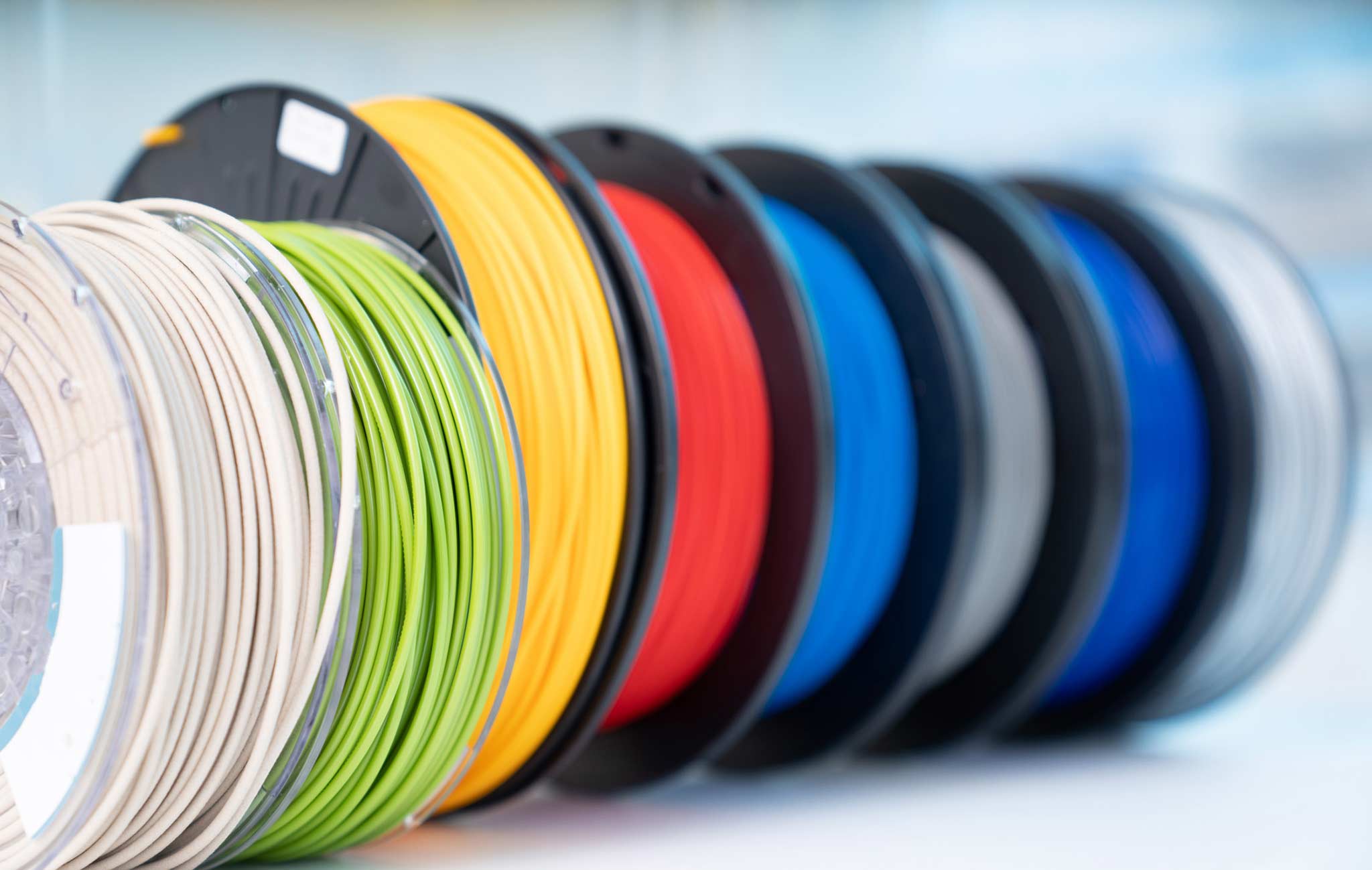
Local filament availability: Companies like PlaSpool manufacture PLA filament domestically, cutting material costs by 20–30% compared to imports.
Ease of learning: Many makerspaces and universities train students on FDM because it is beginner-friendly.
How it’s used in Nigeria:
Prototyping: Startups in Lagos and Abuja use FDM printers to create product prototypes before mass production.
Spare parts: Small businesses print replacement parts for machinery instead of waiting weeks for imported spares.
Education: Universities like Covenant University and the University of Lagos use FDM for engineering and design projects.
Creative goods: Entrepreneurs are designing custom phone cases, home décor, and cultural art pieces for local markets.
Stereolithography (SLA) and Digital Light Processing (DLP) – Precision Printing
SLA and DLP printers use liquid resin cured by UV light to produce objects with very high resolution. These technologies are less common than FDM due to higher costs and resin importation challenges, but they are steadily finding niches in Nigeria.
Why adoption is growing:
Precision: SLA/DLP can achieve detail far beyond FDM, making them ideal for medical and creative use.
Accessibility: Entry-level resin printers are now priced as low as ₦250,000, putting them within reach of clinics and design studios.
How they’re used in Nigeria:
Healthcare: Dental clinics in Lagos and Port Harcourt are adopting resin printers to produce crowns, aligners, and anatomical models. This reduces dependence on costly foreign labs.
Jewelry design: Jewelers in Abuja are prototyping intricate ring and pendant designs before casting in precious metals.
Education: Universities with biomedical engineering programs are experimenting with SLA for tissue models.
Selective Laser Sintering (SLS) – Rare but Growing in Industrial Circles
SLS (Selective Laser Sintering) uses a laser to fuse powdered materials (nylon, polymers, or even metals). This technology is less accessible in Nigeria because machines are expensive, costing over $100,000, and require skilled operators.
Where it’s found in Nigeria:
Industrial hubs: Companies like Nigerian Foundries Limited and Elephab are experimenting with large-scale AM to produce machine components and automotive parts.
Research institutions: Some federal universities and technical research centers are testing SLS for prototyping and advanced material studies.
Potential use cases:
Automotive: Local production of car replacement parts could save billions in imports annually.
Oil & Gas: On-site printing of specialized components could reduce downtime in Port Harcourt’s energy sector.
Beyond traditional industries, Nigeria’s creative economy is embracing 3D printing:
Fashion: Designers in Lagos are experimenting with 3D-printed jewelry and accessories.
Cultural art: Makers are using FDM printers to create Yoruba masks, Igbo artifacts, and modern décor pieces.
Youth empowerment: Programs like 3D Africa for Girls are teaching young Nigerians design and AM skills, preparing the next wave of creative entrepreneurs.
This sector may not yet generate billions, but it is shaping a new culture of digital craftsmanship.
See More; How 3D Printing Could Cut Nigeria’s $8B Annual Manufacturing Import Bill
The most available additive manufacturing technologies in Nigeria today are FDM, SLA/DLP, and small-scale SLS setups. While construction 3D printing remains a future goal, the practical everyday adoption is happening now in education, healthcare, prototyping, and creative industries.
The biggest enabler is local supply. With companies like PlaSpool manufacturing PLA filament in Abuja, Nigeria is building the foundation for self-sufficiency in AM materials. Coupled with a growing tech-savvy youth population, 3D printing can reduce Nigeria’s $8B manufacturing import bill, create jobs, and accelerate innovation.
The path forward is clear: expand training, lower equipment costs, encourage local material production, and highlight success stories.